GalacticGuide
Home Explore Blogs Contact us!
PLANET NO#1

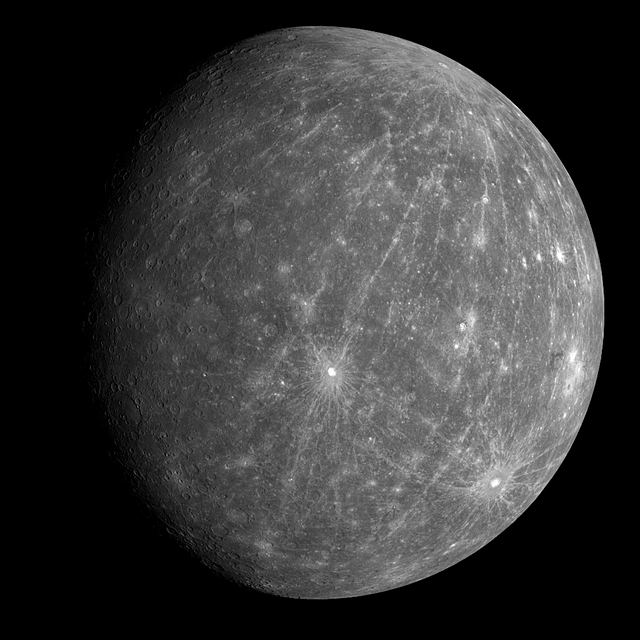
MERCURY

DIAMETER : 4,880 km
The smallest and closest planet to the Sun, Mercury has a rocky surface with extreme temperature fluctuations and no atmosphere to retain heat.
PLANET NO#2
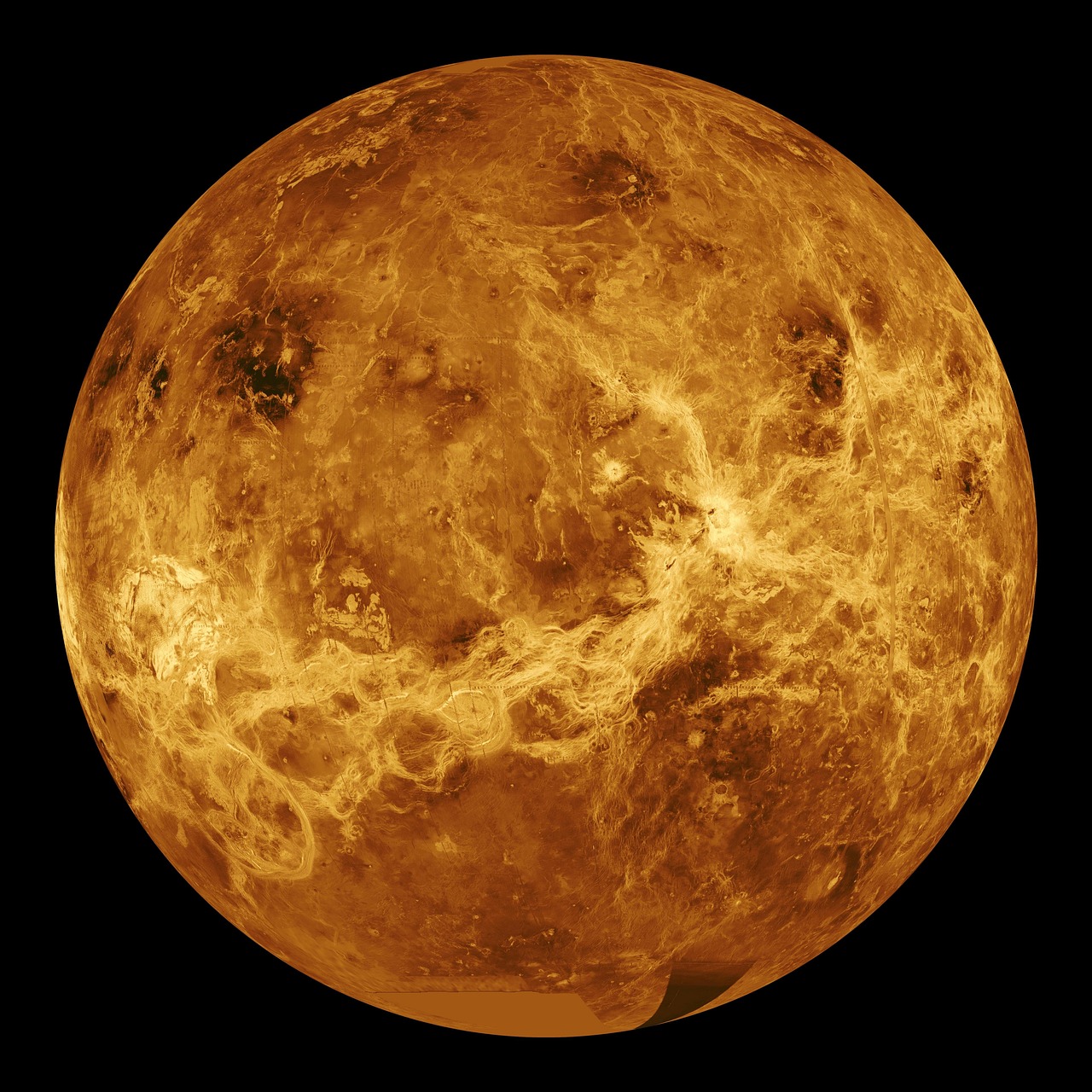
Venus
DIAMETER : 12,104 km
Similar in size to Earth, Venus has a thick, toxic atmosphere rich in carbon dioxide, leading to intense surface heat and a runaway greenhouse effect.
PLANET NO#3
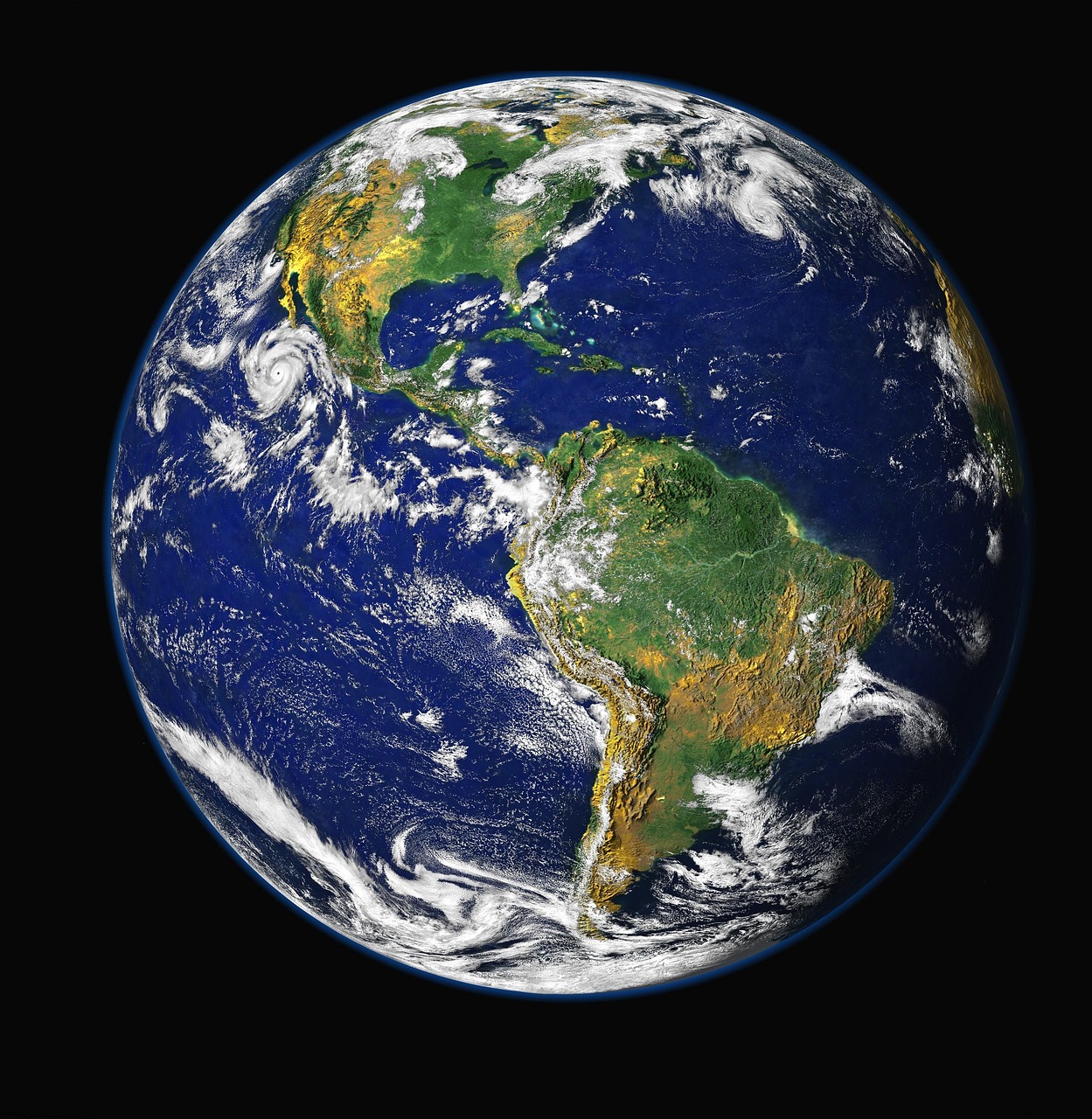
Earth
DIAMETER : 12,742 km
The only planet known to support life, Earth has a balanced atmosphere, liquid water, and a protective magnetic field that sustains diverse ecosystems.
PLANET NO#4
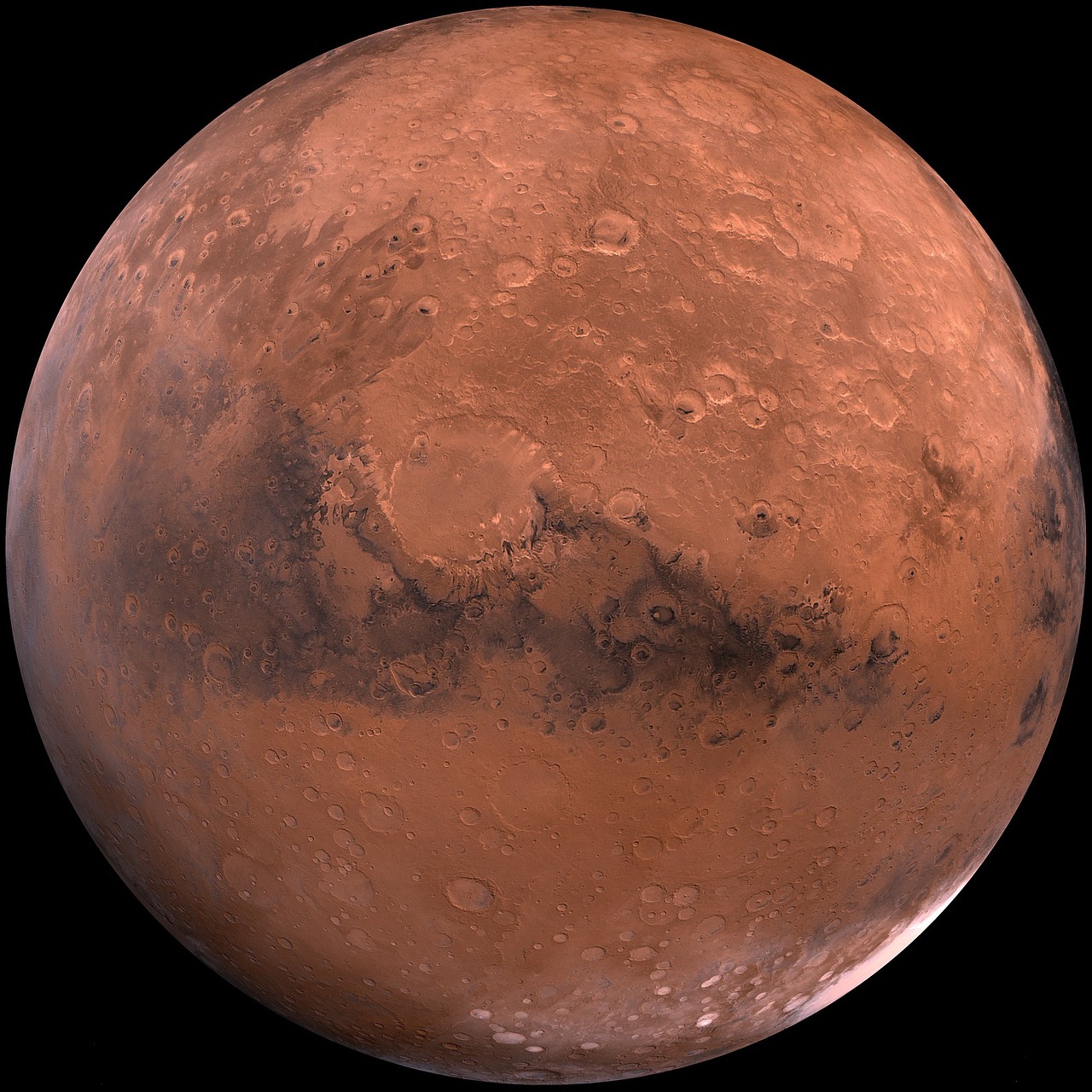
MARS
DIAMETER : 6,779 km
Known as the Red Planet due to its iron-rich soil, Mars has the largest volcano and canyon in the solar system and shows signs of past water flow.
PLANET NO#5
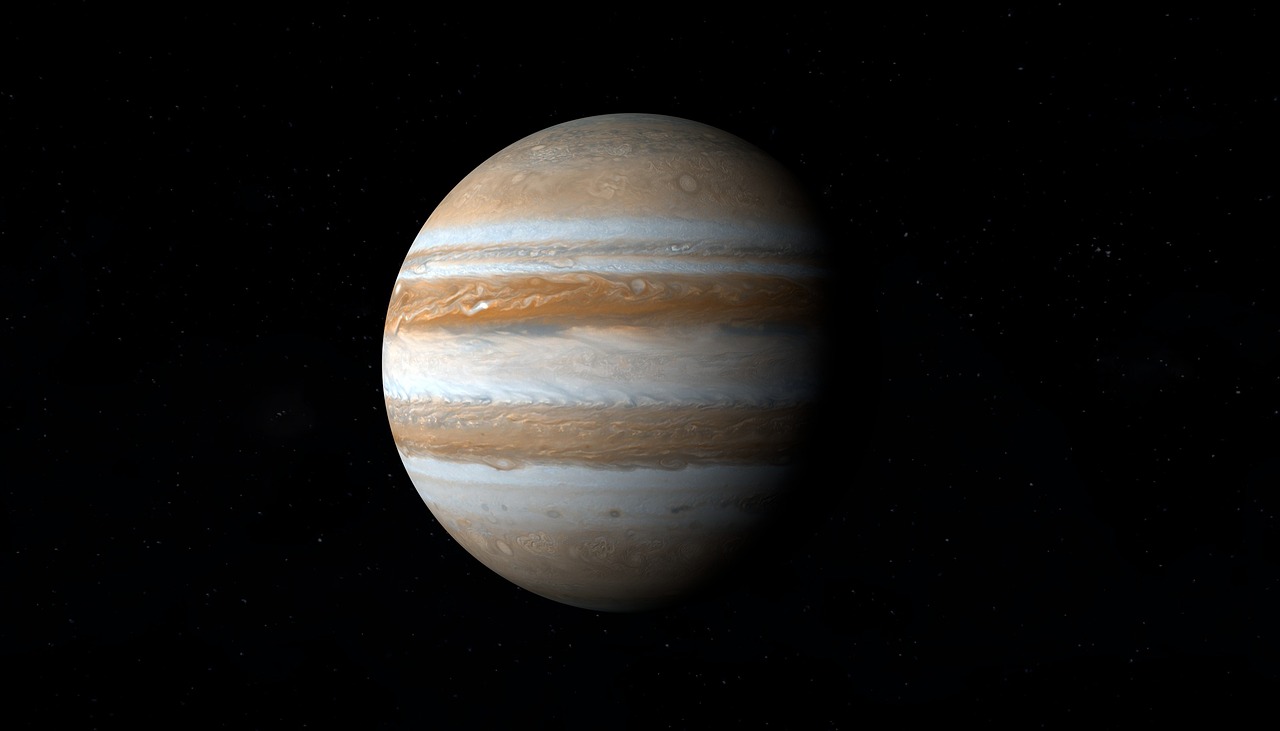
JUPITER
DIAMETER : 139,820 km
The largest planet, Jupiter is a gas giant with a thick atmosphere and over 75 moons, including Ganymede, the largest moon in the solar system.
PLANET NO#6
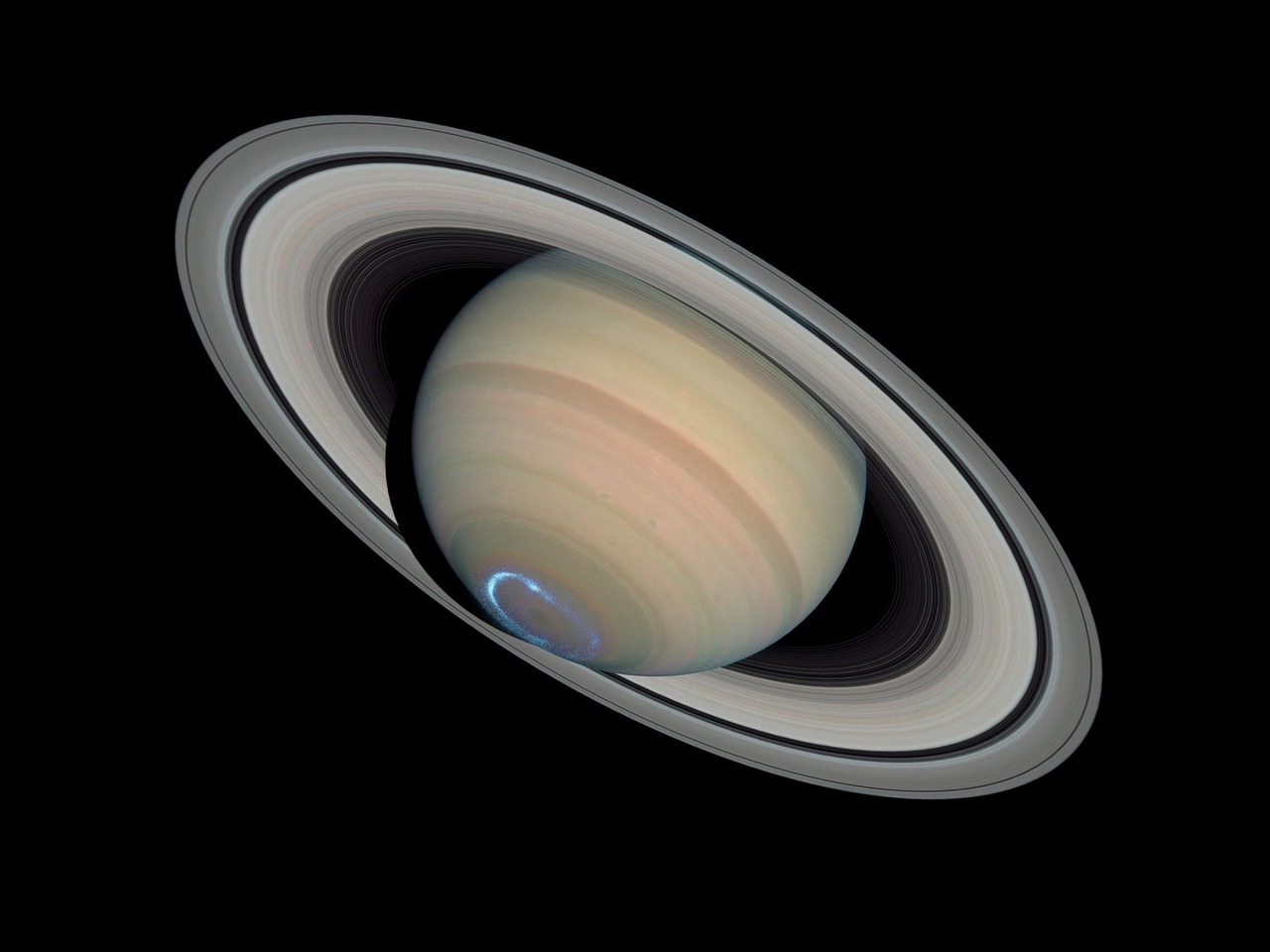
SATURN
DIAMETER : 116,460 km
Famous for its stunning ring system, Saturn is a gas giant with a relatively low density and a large number of moons, including Titan, which has a thick atmosphere.
PLANET NO#7
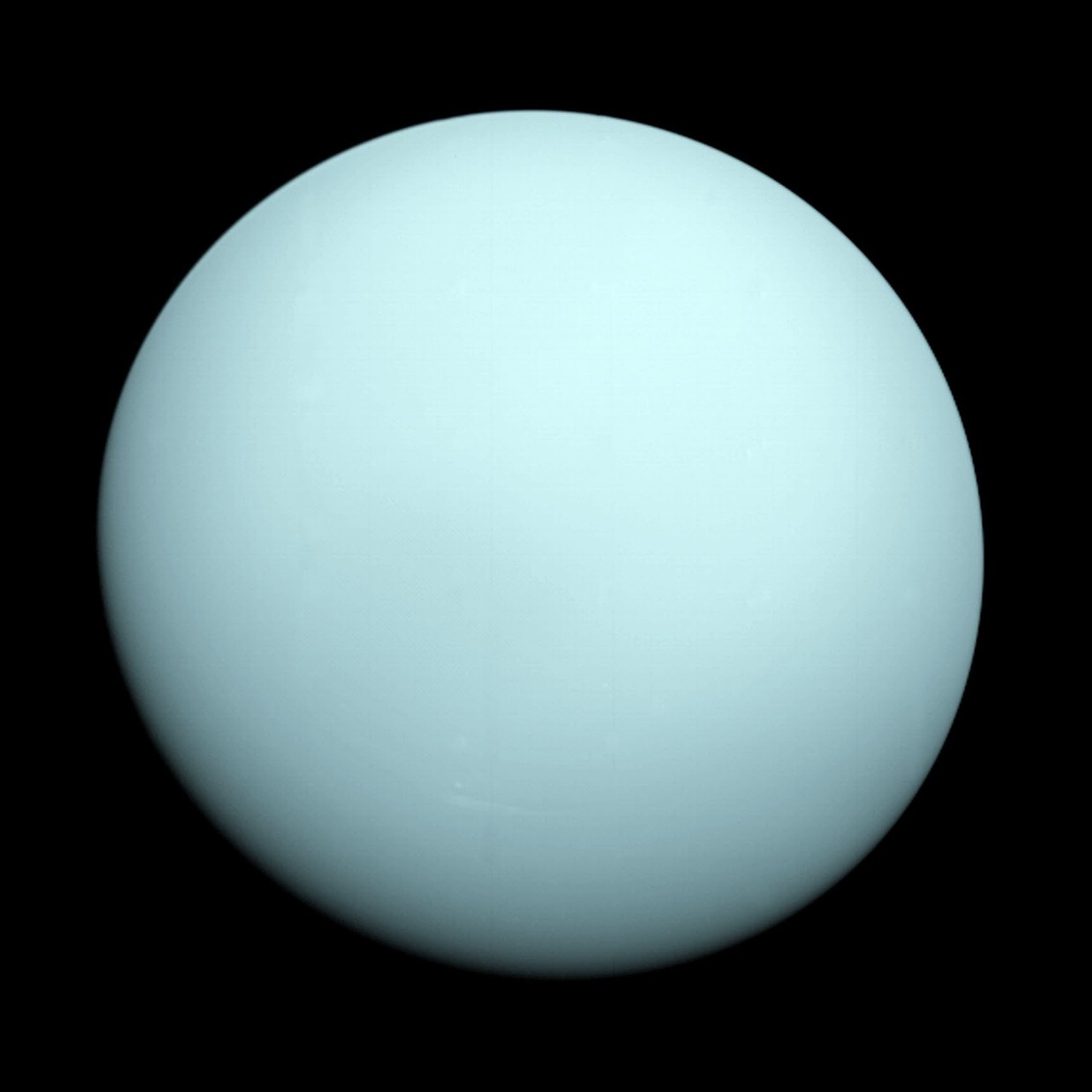
URANUS
DIAMETER : 50,724 km
An ice giant with a blue-green hue due to methane in its atmosphere, Uranus has an unusual tilt, causing it to rotate on its side.
PLANET NO#8

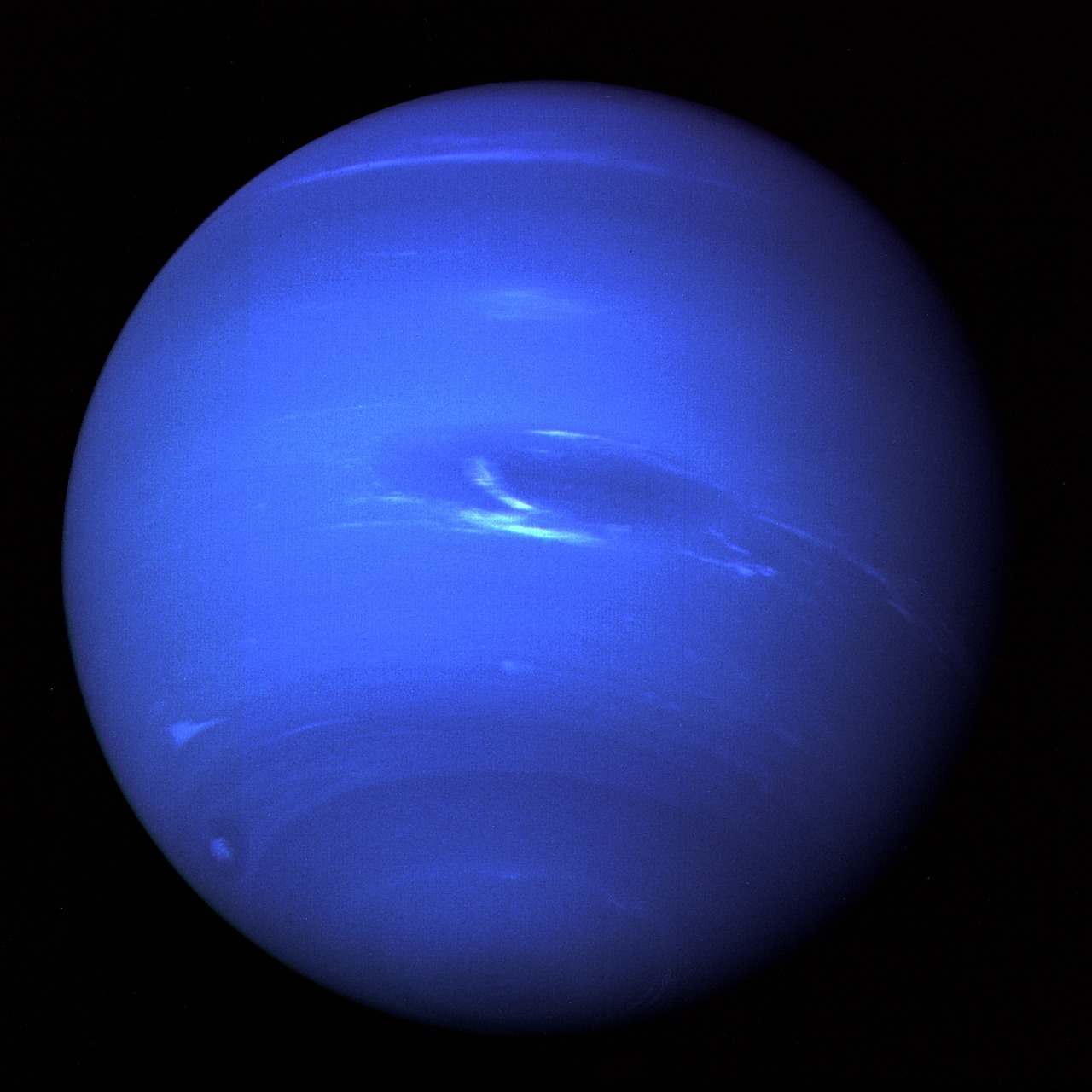
NEPTUNE

DIAMETER: 49,244 km
The farthest planet from the Sun, Neptune is an ice giant with strong winds and storms, and a deep blue color due to its methane-rich atmosphere.
PLANET NO#1
MERCURY
PLANET NO#2
VENUS
PLANET NO#3
EARTH
PLANET NO#4
MARS
PLANET NO#5
JUPITER
PLANET NO#6
SATURN
PLANET NO#7
URANUS
PLANET NO#8
NEPTUNE